South America | Chile | Chilean Patagonia

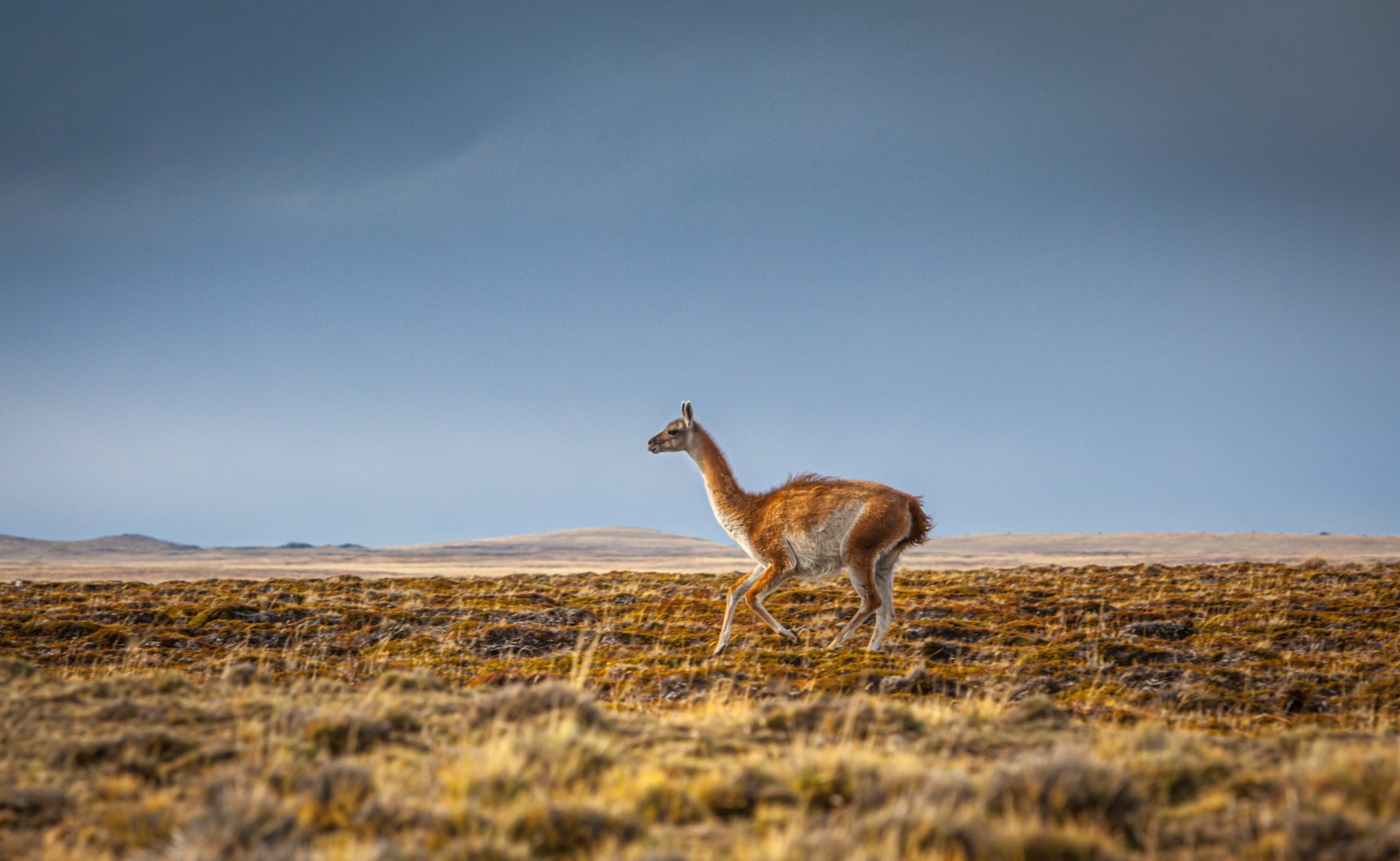



Chilean Patagonia is a vast southern region extending from the fjords and forests of Aysén to the mountains, steppes, and channels of Magallanes. Rather than a single destination, it encompasses remote towns, national parks, glaciers, islands, and long stretches of sparsely settled landscape. The Carretera Austral provides one of its main overland routes, linking places such as Coyhaique, Puerto Río Tranquilo, and Villa O’Higgins through forests, rivers, mountains, and fjords. Farther south, Punta Arenas, Puerto Natales, and Tierra del Fuego form important centres for exploring the country's southernmost landscapes.
Patagonia's cultural identity reflects Indigenous heritage, rural traditions, maritime life, and the history of settlement in the far south. The Tehuelche people have a longstanding connection with the region, including archaeological evidence and rock art preserved in Patagonia National Park. In the Magallanes area, large estancias remain associated with sheep farming, horseback riding, and traditional country life. Coastal communities also reflect a strong relationship with the sea and remote waterways. These different traditions are visible in local museums, working ranches, handicrafts, and the architecture of towns such as Puerto Natales and Punta Arenas.
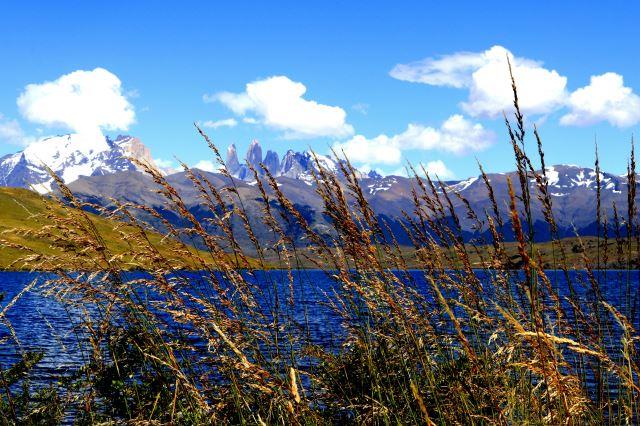
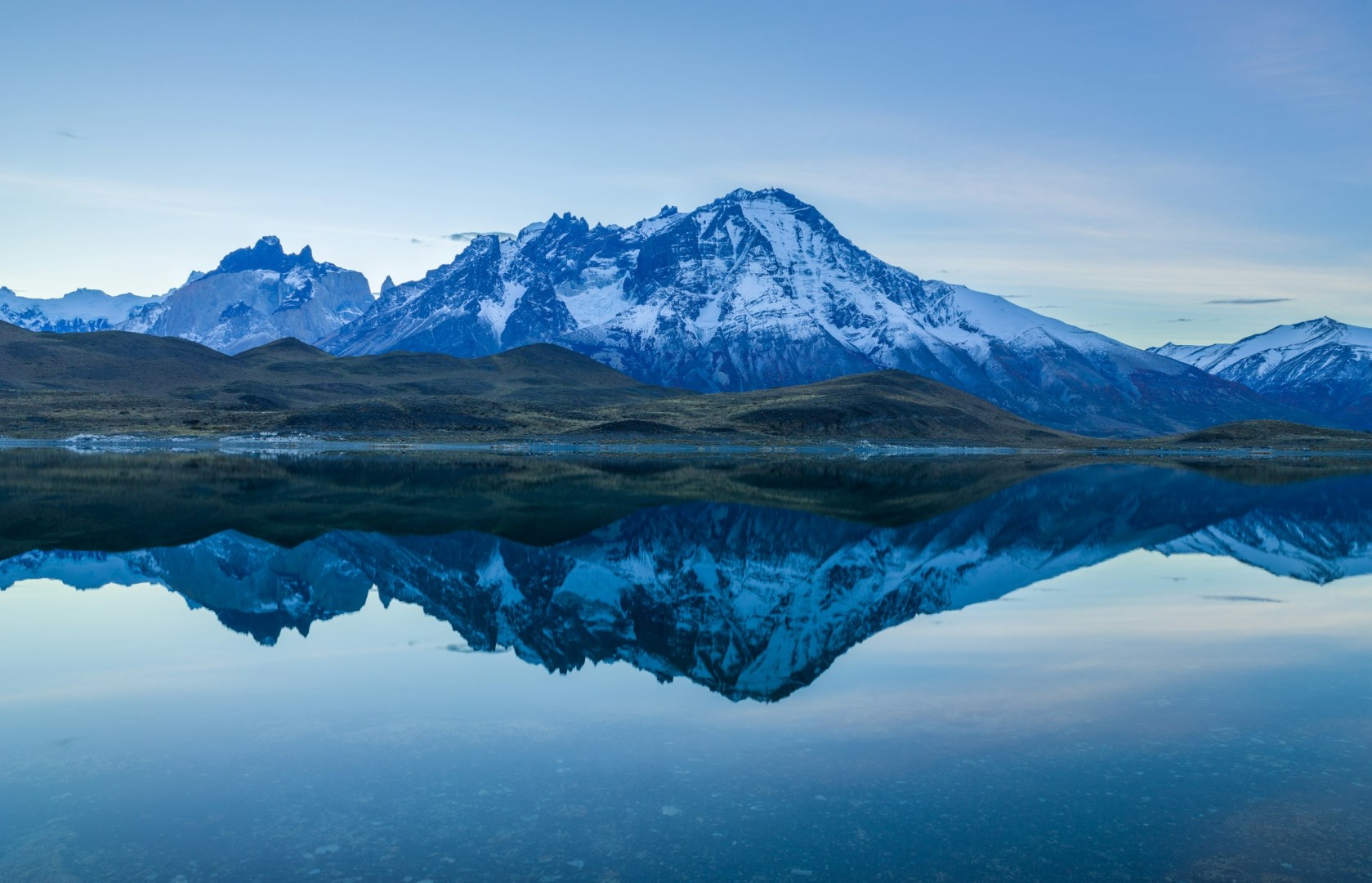
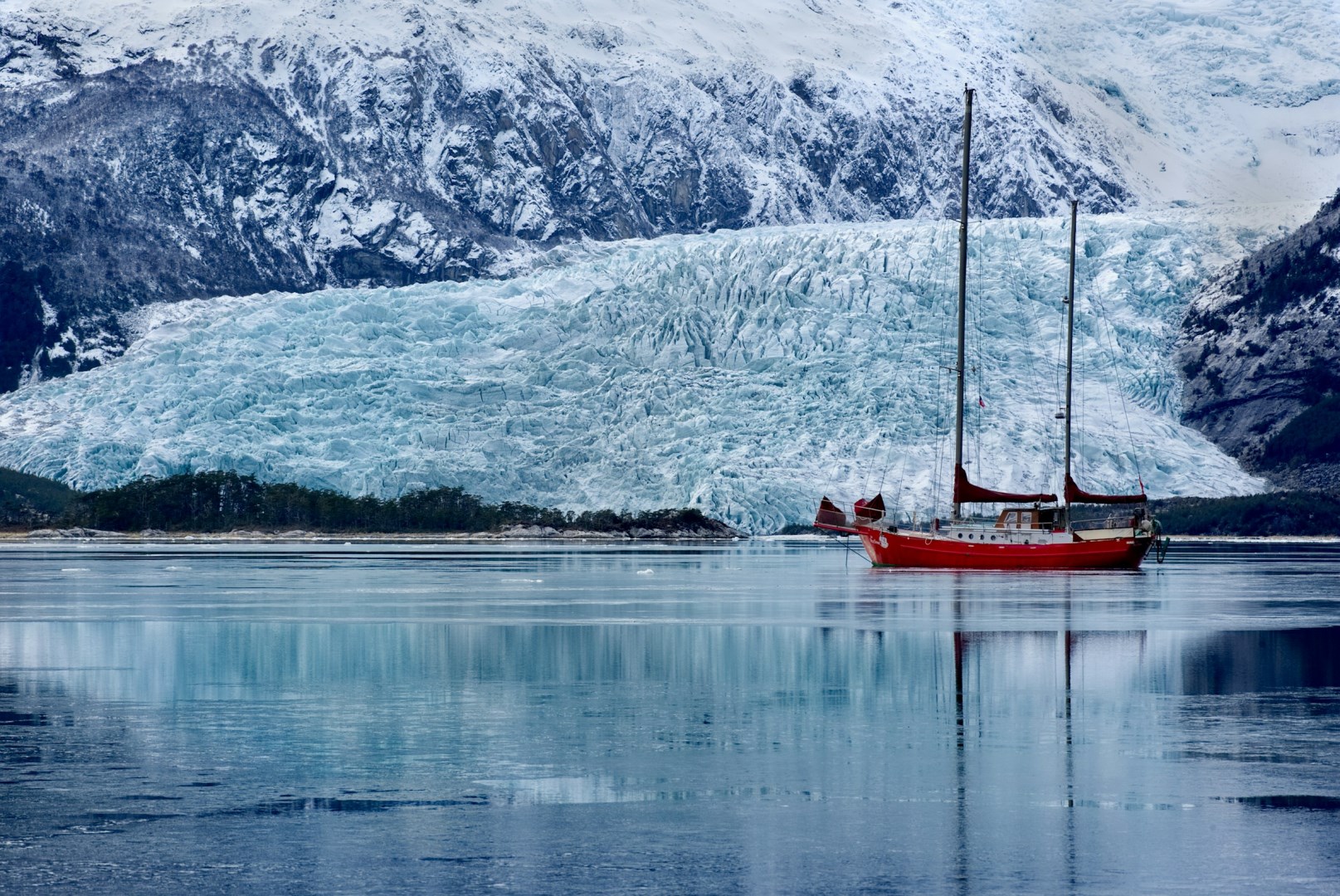
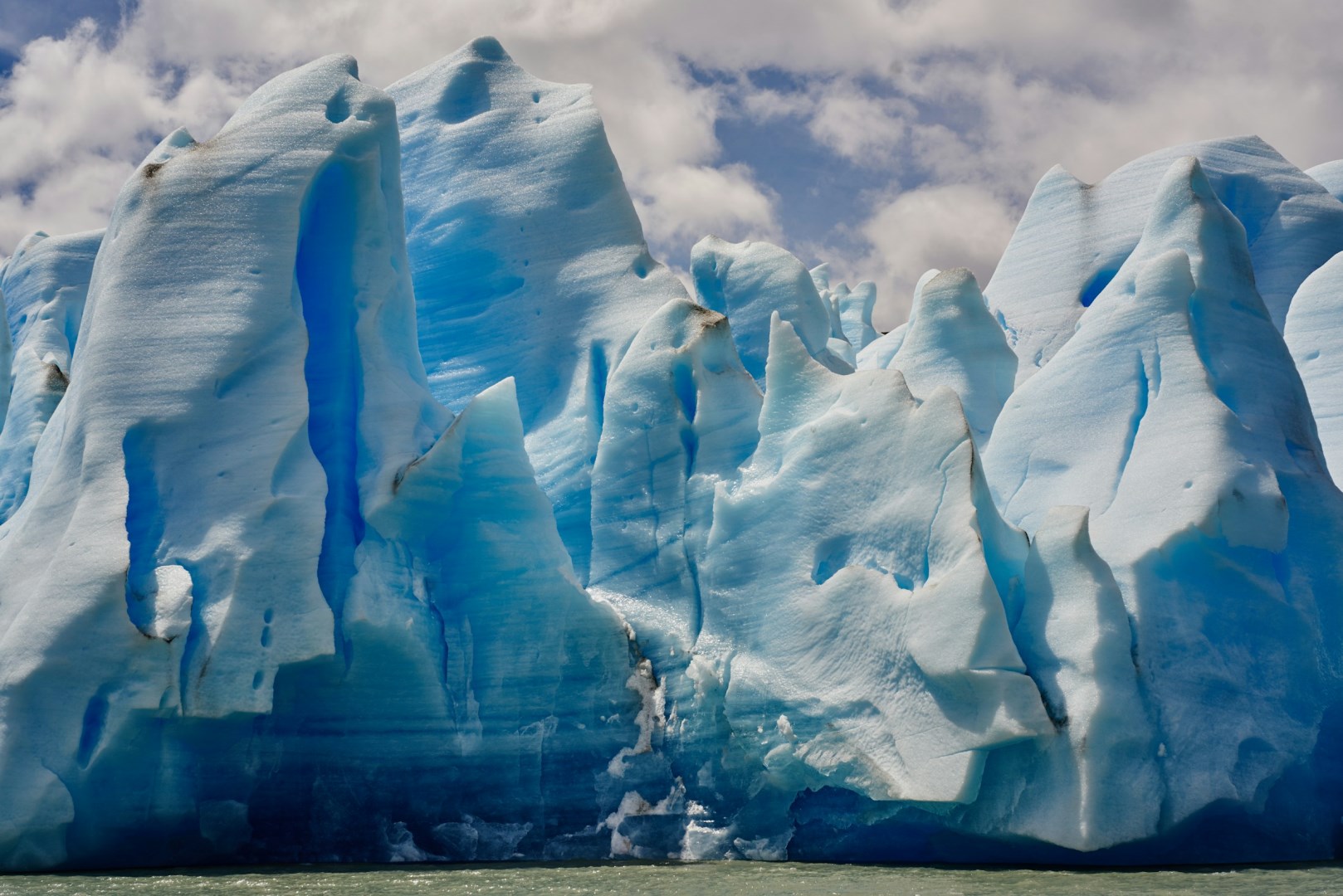
The landscape changes markedly across Chilean Patagonia. Torres del Paine National Park contains granite peaks, turquoise lakes, Magellanic forests, steppe, and Grey Glacier, with well-known trekking routes including the W and O circuits. Along the Carretera Austral, notable sites include Queulat National Park, General Carrera Lake and its Marble Caves, Cerro Castillo, Laguna San Rafael National Park, and Pumalín Douglas Tompkins National Park. Farther south, Bernardo O'Higgins National Park protects extensive ice fields and fjords, while Tierra del Fuego and Cape Horn extend the region toward the southern edge of the continent.
Food in Chilean Patagonia is closely linked to its rural and coastal setting. Lamb is a regional staple, often prepared as cordero al palo, in which a whole lamb is slowly roasted over an open fire. Seafood is also important, particularly king crab from the waters around Magallanes, while trout and salmon feature in many restaurants farther north. Patagonian cuisine also includes berries such as calafate, used in jams, desserts, and drinks. A distinctive detail of the region is its estancias, where traditional ranching remains part of everyday life and visitors can encounter working landscapes rather than solely protected wilderness.
Other Popular Destinations in Chile