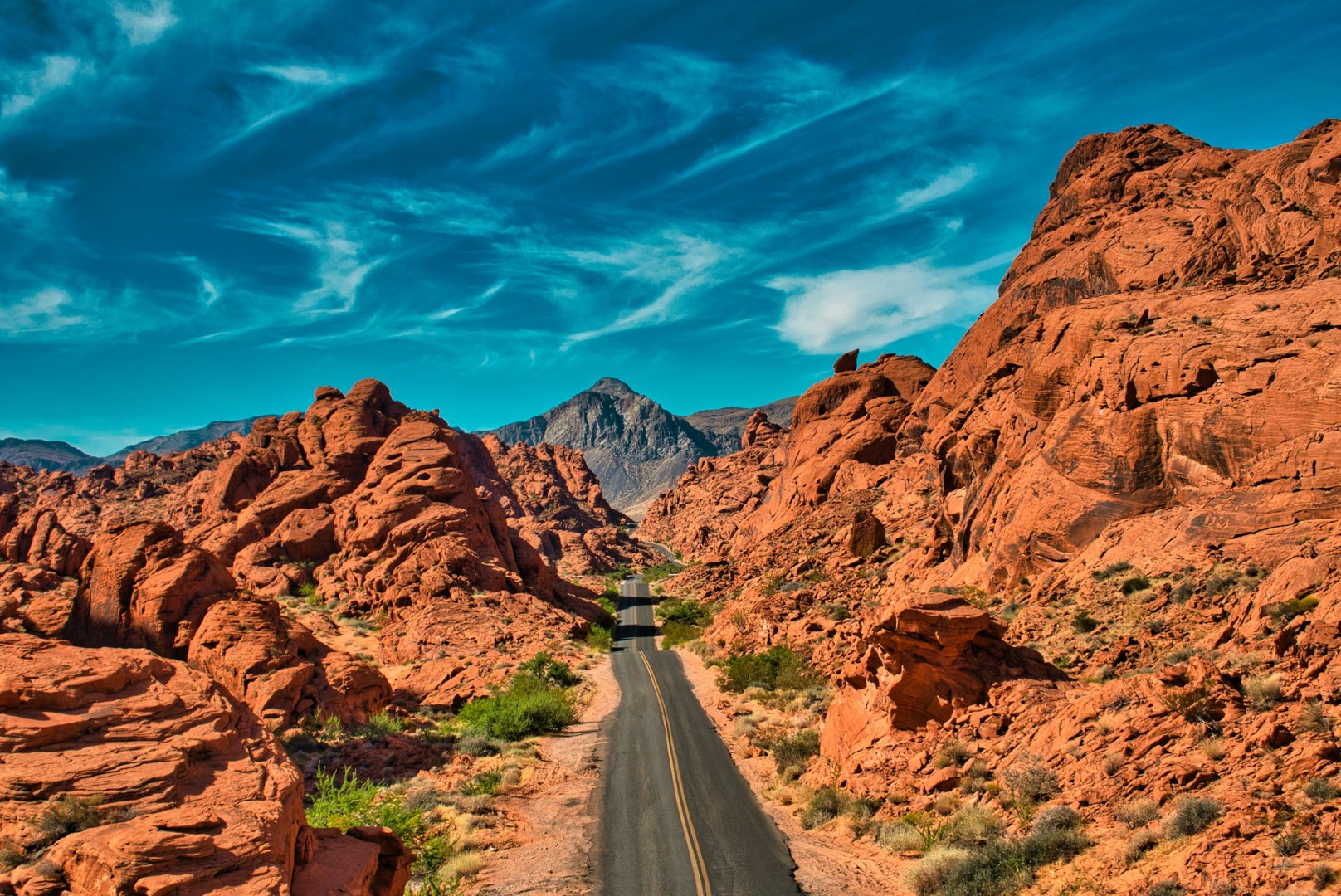
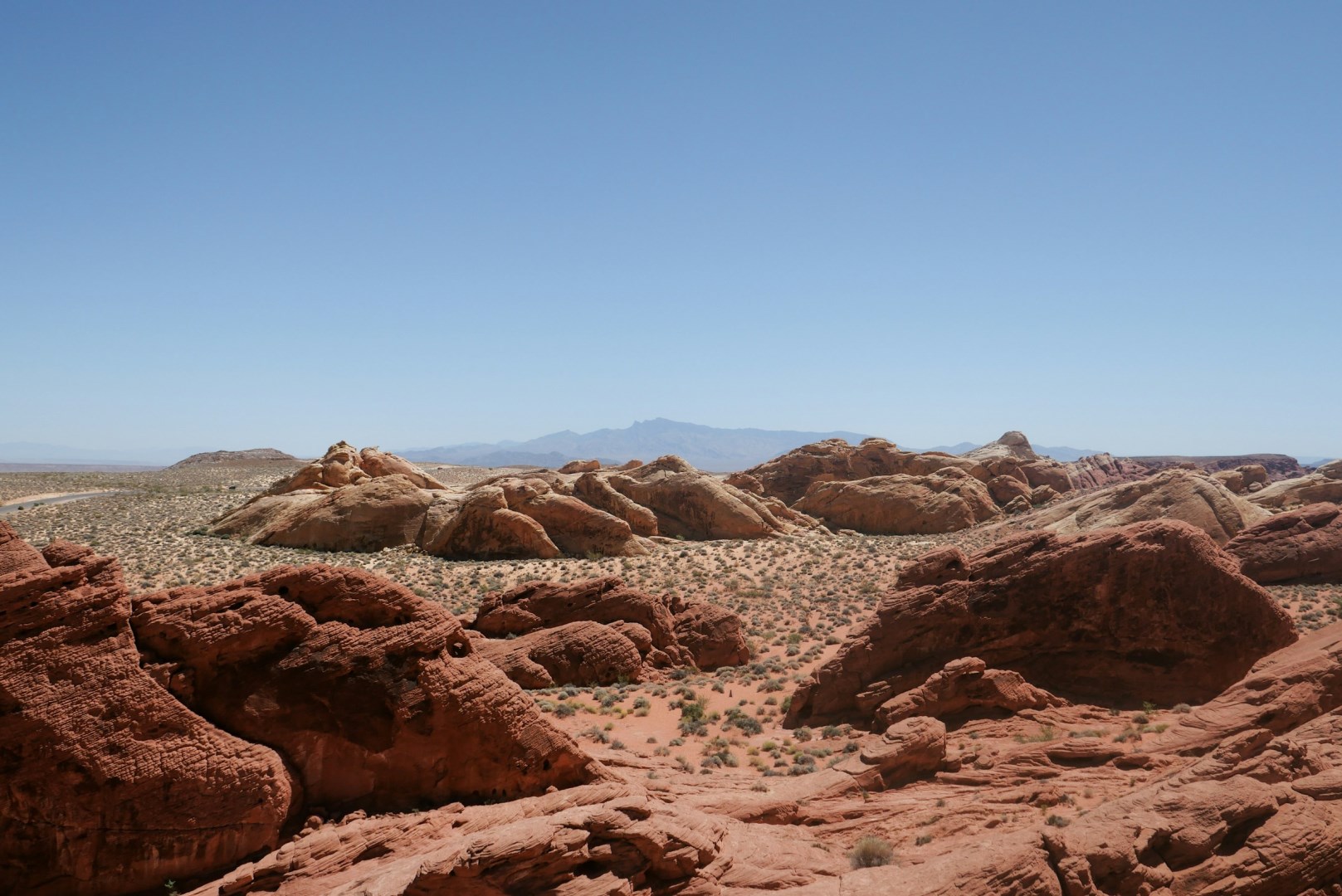
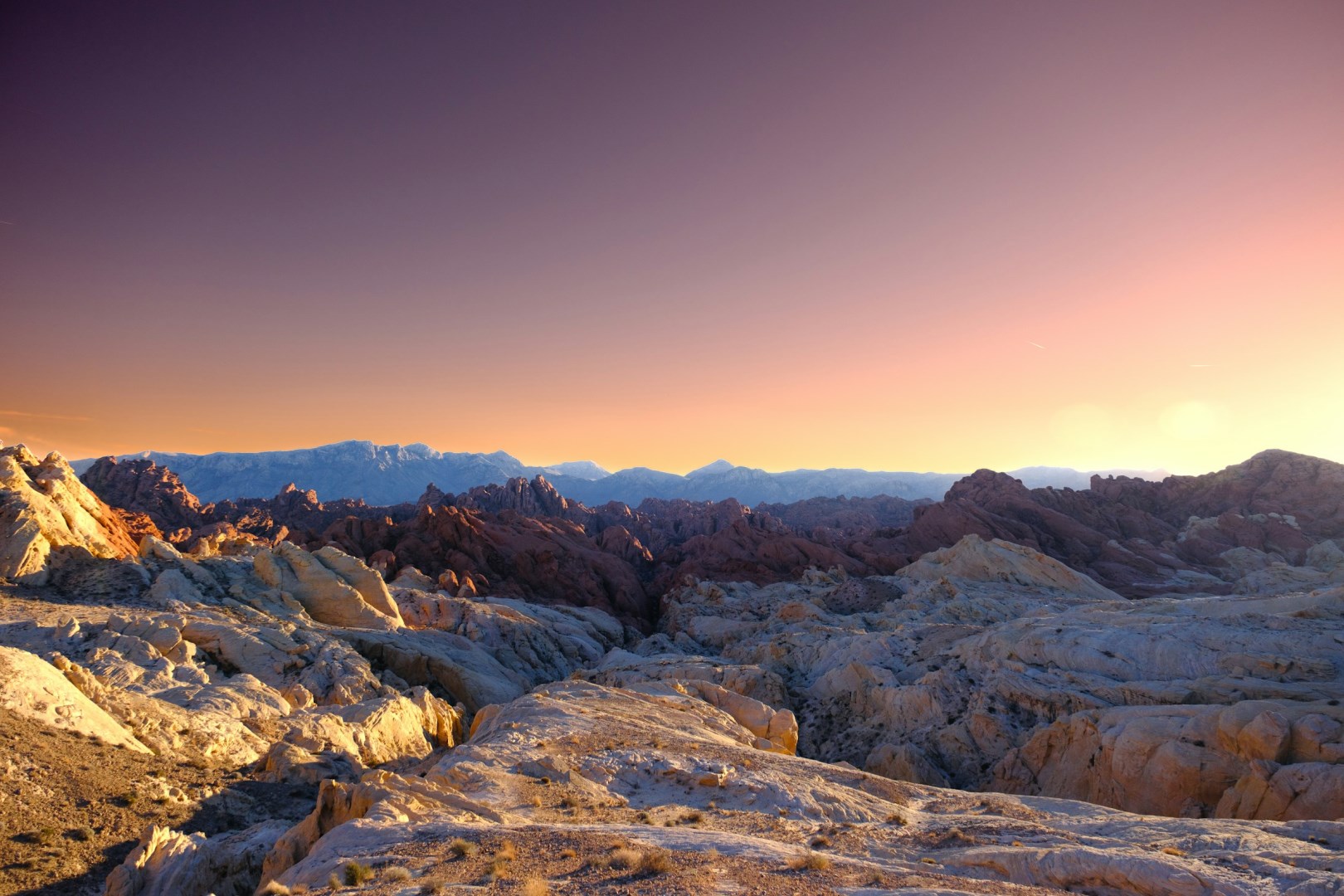
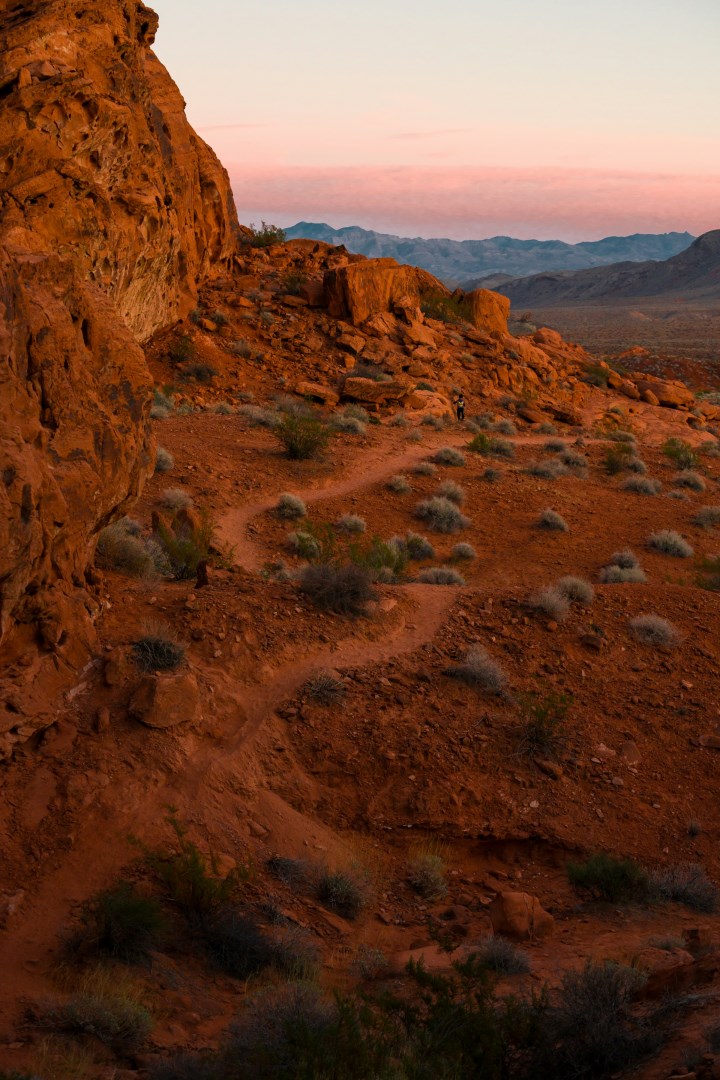
Valley of Fire State Park lies in southern Nevada, northeast of Las Vegas, where more than 40,000 acres of red sandstone formations rise from a desert landscape of limestone hills and broad valleys. The park is Nevada’s largest state park and is named for the fiery appearance of its sandstone when sunlight strikes the rock. Wind and water have shaped the landscape into arches, narrow passages, domes, and ridges in shades of red, orange, tan, pink, and white. The surrounding Mojave Desert supports creosote bush, brittlebush, cactus, and other plants adapted to dry conditions.
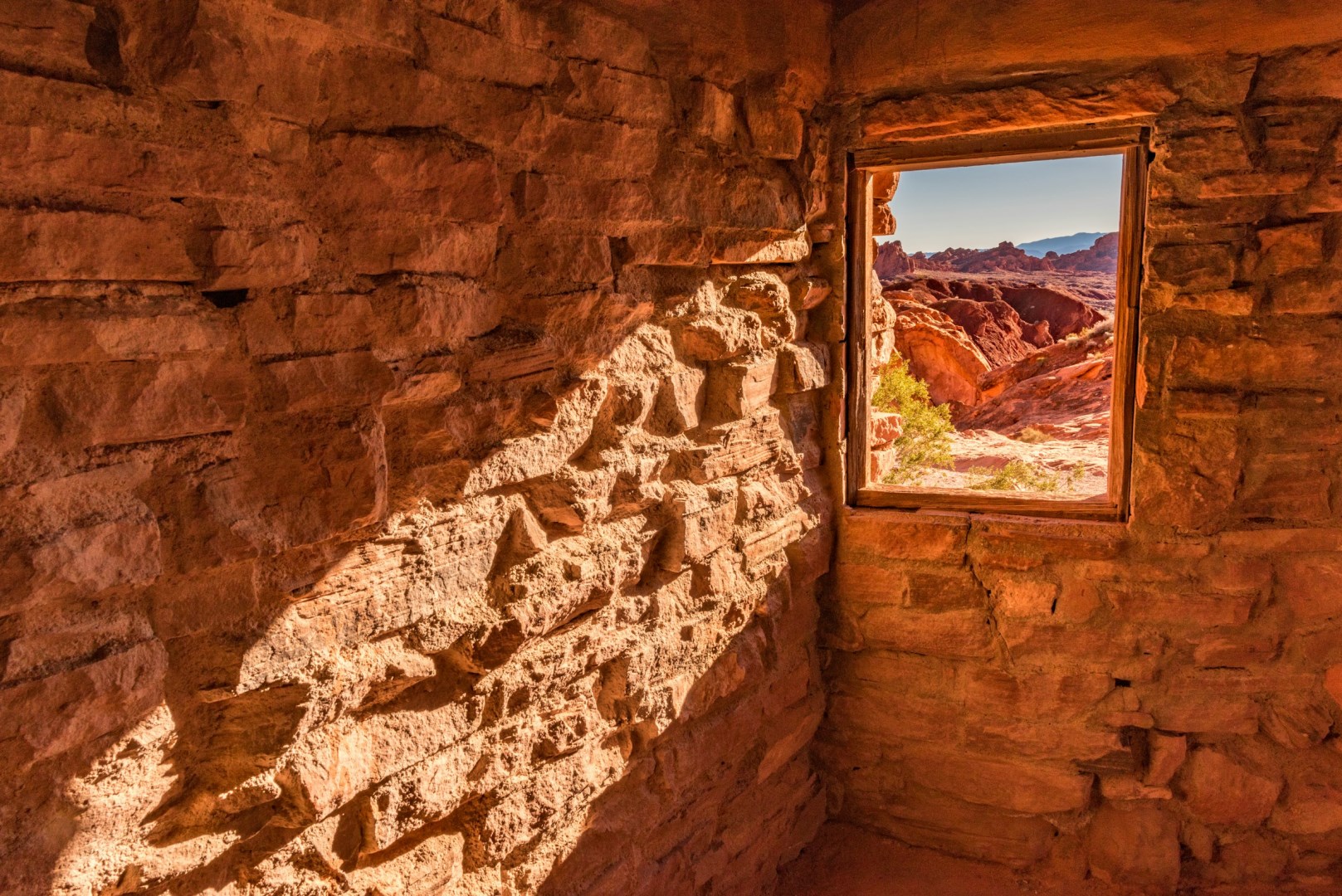
Valley of Fire has a long record of human use, with petroglyphs providing visible evidence of Indigenous activity across the sandstone formations. Ancestral Puebloan people used the region for hunting, gathering, farming, and ceremonies, while the Nuwu, or Southern Paiute, have continuing cultural connections to the area. Atlatl Rock and Mouse’s Tank are among the places where visitors can see rock carvings. The park’s visitor center presents exhibits on geology, ecology, prehistory, and regional history. Historic stone structures and cabins built by the Civilian Conservation Corps also remain part of the park’s cultural landscape.
The park’s roads and trails lead to several distinctive geological landmarks. Atlatl Rock provides access to petroglyphs, while Elephant Rock has a naturally formed shape resembling its namesake animal. White Domes contains pale sandstone formations and a narrow canyon, and Rainbow Vista overlooks layers of brightly coloured rock. The Fire Wave is known for bands of red, pink, orange, and cream sandstone that create a wave-like pattern across the hills. Mouse’s Tank Trail follows a natural canyon containing petroglyphs and a shallow basin where water can collect after rainfall. Scenic roads connect many of these sites.
Valley of Fire has a desert climate with very high summer temperatures, making cooler seasons more suitable for extended hiking. Wildlife includes desert bighorn sheep, desert tortoises, kit foxes, jackrabbits, Gila monsters, chuckwallas, and several species of birds and reptiles. The park also contains petrified wood and ancient sandstone formed from wind-blown dunes. Camping is available at designated sites, with picnic areas located near several attractions. The visitor center provides information and exhibits, while nearby Moapa Valley supplies additional food and services. Visitors are expected to protect petroglyphs, fossils, plants, and rock formations by leaving them undisturbed.
Other Popular Destinations in Nevada